
A home appraisal is a licensed professional’s opinion of what a house is worth. The appraiser visits the property, studies recent sales of similar homes nearby, and writes a report. When a buyer uses a mortgage, the lender relies on that report to decide how much it will lend. That is why a low appraisal can delay or sink a sale. If your house needs repairs, was inherited, or has to sell on a deadline, a financed sale puts the appraisal between you and the closing table. A direct cash sale does not: we buy houses and land in Edinburg, TX for cash, as-is, with the closing date set by you.
Below is how the process works from the seller’s side, what appraisers look at, how condition and location move the number, and what to do when the value comes in short.
TL;DR
- An appraisal is a licensed appraiser’s opinion of market value, built from an in-person visit and comparable recent sales nearby.
- Lenders order it for financed purchases. If the number is below the contract price, the deal usually has to be renegotiated, paid up in cash, or dropped.
- Condition, size, location and recent comparable sales drive the result. Deferred repairs, outdated systems and damage pull it down.
- Homes that need work are the most likely to run into appraisal trouble with a financed buyer.
- If you need speed and certainty, a cash sale to a direct buyer removes the lender’s appraisal from the path.
Table of Contents
- What a home appraisal is, and who it is for
- The home appraisal process, step by step
- What appraisers look for in a house
- Factors that affect your home’s value
- How the appraisal can go wrong for a house that needs work
- What happens if the appraisal comes in low
- Preparing for an appraisal if you are selling on the open market
- Selling without waiting on an appraisal
- Who this route fits best
- Our view on appraisals and fast sales
- Get a cash offer for your Edinburg house
- FAQ
- Sources
What a home appraisal is, and who it is for
An appraisal is not a price tag you set, and it is not a marketing exercise. Appraisers compile facts, statistics and other information about a property and use them to form an opinion of its value. The opinion is meant to be independent of what the seller hopes to get and what the buyer hopes to pay.
The person who needs the report is the lender. A bank lending several hundred thousand dollars against a house wants to know the house is worth roughly that much if the borrower stops paying. So the lender, not the seller, orders the appraisal, and the buyer normally pays for it as part of closing costs.
Two terms are worth knowing:
- Market value: the price a willing buyer and a willing seller would agree on, both informed, neither under pressure.
- Contingency: a clause in the sales contract that lets the buyer adjust or leave the deal if something, such as the appraisal, does not go as planned.
An appraisal is also different from a home inspection. An inspector looks for defects and safety problems and reports on the condition of the systems. An appraiser looks at condition only as far as it affects value.
The home appraisal process, step by step
Most financed sales follow the same sequence.
1. The contract is signed and the lender orders the appraisal
Once a buyer has an accepted offer and a loan application, the lender assigns an appraiser, often through a third-party management company so the lender and the appraiser stay at arm’s length. You usually do not choose the appraiser, and neither does the buyer’s agent.
2. The visit is scheduled
You will be asked to give access to the property. Plan for the visit to take from a few minutes in a small, simple house to an hour or more in a larger one. Have the house unlocked, the utilities on, and the attic, garage and any outbuildings reachable.
3. The appraiser inspects the property
The appraiser walks the home, measures it, photographs each room and the exterior, and notes the condition of major components. The visit is a visual review, not a deep inspection. Appraisers do not open walls or test every system, but they do record what they can see.

4. The appraiser researches comparable sales
Back at the desk, the appraiser pulls recent sales of similar homes close by, called comparables or “comps.” The usual aim is homes of similar size, age, style and condition that sold recently. Each comp is adjusted up or down for differences. If a comp has a pool and yours does not, its price is adjusted downward to compare it fairly with your house.
This comparison method is one of the standard property valuation methods, and for single-family homes it is the one that carries the most weight. Others, such as estimating what it would cost to rebuild, or what rental income a property earns, play a supporting role.
5. The report is written and delivered
The appraiser reconciles the adjusted comps into a final opinion of value and sends the report to the lender. Turnaround varies with the appraiser’s workload and the local market, so ask your agent or lender for the expected timeline instead of assuming one.
6. The lender compares the value to the contract price
Three things can happen:
- The value meets or beats the price. The loan moves forward.
- The value is lower than the price. The lender will lend against the lower figure, so there is a gap to close.
- The report flags a condition issue. Repairs may be required before the lender will fund the loan.
The third outcome is the one that surprises sellers of older or damaged homes.
What appraisers look for in a house
Appraisers weigh a mix of fixed facts and changeable conditions. It helps to separate the two, because you can only affect the second group.
Things you cannot change:
- Location: the neighborhood, the street, proximity to schools, shopping and major roads, and what is next door.
- Size and layout: finished square footage, bedroom and bathroom count, and how usable the floor plan is.
- Lot: size, shape and anything unusual about it.
- Age and construction type: foundation, framing and the style of the house.
Things that reflect condition:
- Roof, foundation, flooring and windows
- Kitchens and bathrooms, and whether they are updated or dated
- HVAC, plumbing and electrical systems
- Water damage, mold, fire damage, pest damage or structural movement
- Overall upkeep, including peeling paint, broken fixtures and clutter that hides defects
Appraisers do care about cleanliness, but only as a signal of upkeep. A tidy, well-lit house reads as a maintained one. Dirt that suggests neglect or hides damage can push the condition rating down.
What appraisers do not give much weight to is your emotional attachment, what you paid years ago, the cost of improvements you made, or what you owe on the mortgage. A $30,000 renovation does not automatically add $30,000 in value.
Factors that affect your home’s value
Broadly, five things move an appraised value:
- Comparable sales. What similar homes nearby actually sold for recently matters more than any list price or online estimate.
- Condition. A house that needs a roof, a new HVAC system or foundation work will be adjusted below one that does not, by roughly the cost and hassle of fixing those things.
- Market conditions. Local supply, demand and interest rates affect what buyers will pay. These shift over months, so an appraisal is a snapshot.
- Location and lot. Two identical houses can differ in value based on the street, the lot or the surroundings.
- Features and function. Bedroom count, parking, a usable layout, energy-efficient systems and permitted additions all count.
Online estimates and tax assessments are not appraisals. They are algorithmic or administrative figures that have never been inside your house. They can be a rough starting point, but a lender will not accept them in place of a report.
How the appraisal can go wrong for a house that needs work
For a well-kept home in a steady neighborhood, the appraisal is usually a formality. For a house with deferred maintenance, the appraisal is where deals fall apart, for three reasons.
Comps may not match. If your house has damage and the nearby sales are all move-in-ready homes, the appraiser must adjust heavily for condition. Those adjustments are judgment calls, and a financed buyer’s lender will lend only against the lower result.
Lenders have condition standards. Many loan programs require a home to be safe, sound and secure. Active leaks, exposed wiring, a failing roof or serious damage can hold up a loan until repairs are done and reinspected. If you have no cash for the repairs, the sale stalls.
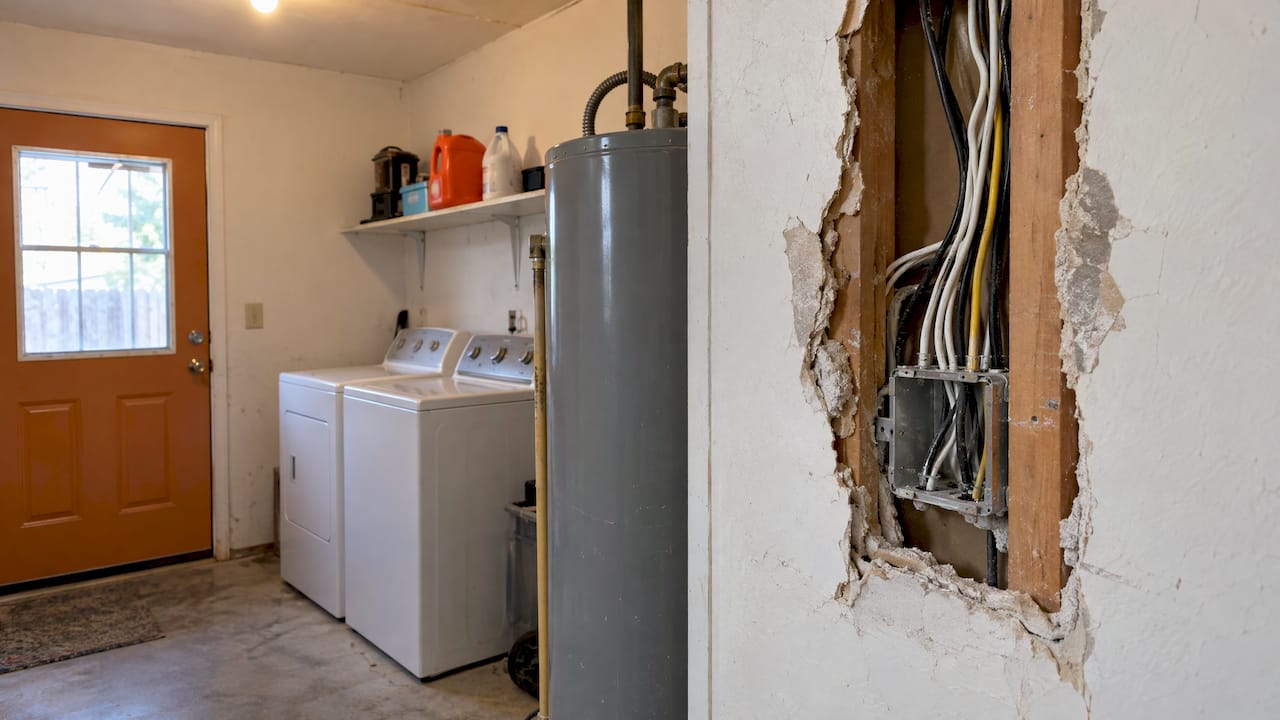
Time works against you. Appraisal, repair requests, renegotiation and a second round with the lender all add weeks. If you are facing a foreclosure notice, an estate you need to settle, or a move you cannot postpone, weeks matter.
This is why many homes with fire, water or mold damage, or those that are simply dated, end up not selling on the traditional market. If that sounds like your situation, our guides on selling a house with mold, fire-damaged house options and what to do when a house won’t sell go deeper on each case.
What happens if the appraisal comes in low
A low appraisal does not end the sale automatically. You and the buyer generally have these paths:
- Renegotiate the price down to the appraised value or somewhere between the two figures.
- The buyer covers the gap in cash on top of the down payment.
- Challenge the report. A lender may allow a reconsideration of value if you can show an error, such as a wrong square footage or a better comp that was left out. This takes documentation and time and is not guaranteed to change the figure.
- Order a second appraisal, which costs money and can still land in the same place.
- Cancel the contract, if the contract’s appraisal contingency allows it, and relist.
Each path costs days or weeks, and several depend on the buyer’s finances, not yours. If the house is on the market again, that also means more showings, more waiting and a longer carrying cost for taxes, insurance, utilities and any mortgage payments.
Preparing for an appraisal if you are selling on the open market
If you decide to list with an agent and sell to a financed buyer, these steps give the appraiser the best honest picture of the house:
- Fix small, visible problems. Leaky faucets, broken fixtures, cracked outlet covers and missing screens are cheap to fix and signal care.
- Clean and declutter, so every room can be measured and photographed clearly.
- Refresh the paint where it is worn. Neutral, clean walls read as well maintained. Practical advice on paint colors that help a house sell can help you choose.
- Make a list of upgrades with approximate dates, such as a new roof, HVAC or water heater, and have permits and receipts handy.
- Provide access to the attic, crawl space, garage and utility areas.
- Share comps you know of. If you know of recent nearby sales, your agent can pass them to the appraiser. Do not argue value during the visit; stick to facts.
These steps help a house that is in decent shape. They do little for a house that needs a new roof, foundation work or storm or fire repairs, and money spent on cosmetic fixes may not return what you put in.
Selling without waiting on an appraisal
The appraisal exists because a lender is taking on risk. Take the lender out and the step goes with it. When a buyer pays cash, there is no loan to approve and no lender’s condition standard to meet. The price rests on what the buyer is willing to pay for the house as it is.
That changes what matters to a seller:
| Financed buyer on the open market | Direct cash sale | |
|---|---|---|
| Appraisal ordered by a lender | Yes | No lender involved |
| Repairs may be required to close | Often, for damaged homes | No repairs or cleanup needed |
| Agent commission and fees | Typically yes | No commissions or fees |
| Showings and open houses | Yes | No |
| Closing timeline | Set by the lender and buyer | Chosen by the seller |
Our process is built for owners who cannot or do not want to go through that sequence. We evaluate each property based on local market value, make a cash offer, and handle the paperwork and closing. Our guide to selling a house as-is shows how the numbers work, and selling without a realtor lays out what changes when no agent is involved.
Who this route fits best
A direct cash sale tends to suit owners in situations where time or condition is the main problem:
- Inherited property. You may live far away, have no interest in repairs, and want to settle the estate.
- Homes needing major repairs. Roof, foundation, water, fire or mold issues that a lender’s appraiser would flag.
- Financial pressure. Back payments, tax bills or a need for cash by a certain date.
- Vacant or outdated houses that carry costs every month and have not attracted offers.
- Urgent relocation, where waiting through an appraisal and a buyer’s loan approval is not workable.
- Land. Owners of vacant land in Edinburg can also sell their land for cash.
If your goal is the highest possible price and you have time and money to prepare the house, the traditional route may suit you. If your goal is speed, certainty and a sale without repairs, a cash sale is built for that.
Our view on appraisals and fast sales
We talk with Edinburg homeowners who have been through the appraisal step and those who want to avoid it. The ones with the hardest time are usually not the ones with the biggest problems. They are the ones whose timeline ran out while they waited on a lender’s process they did not control.
That is why we built our approach around the seller’s schedule. We buy houses and land in Edinburg for cash, in whatever condition they are in, and we can close in as little as seven days when that is what you need. If you would rather close later, you choose the date.
Our evaluation is based on local market value, and we explain how we get to our number. There are no agent commissions or fees, no showings, and no repairs or cleanup on your side. We handle the paperwork and the closing process.
An appraisal tells a lender whether a loan is safe. It was never designed to tell you whether a sale fits your life. If your house is inherited, damaged or simply a burden, you should have an option that starts with your situation.
Wally
Get a cash offer for your Edinburg house
If your house needs work, is inherited, or has to sell on your timeline, we can look at it as it stands today. We buy houses in Edinburg, TX for cash with no agent, no fees, and no repairs required, and we handle the paperwork and closing.

Tell us about the property and request your cash offer. If you want to understand the timeline first, read how to sell a house in 7 days and what is realistic. You can also start from our Edinburg house buying page.
FAQ
How long does the home appraisal process take?
The visit itself is usually short, from a few minutes to about an hour depending on the size of the home. The report takes longer, because the appraiser has to research comparable sales and write it up. The total depends on the appraiser’s workload and the local market, so ask the lender for an expected delivery date.
Who pays for a home appraisal?
In a typical purchase, the buyer pays the appraisal fee as part of the loan costs, even though the lender orders it. Fees vary by property type, size and location, and larger or more complex homes cost more. As a seller, you generally do not pay unless you order one yourself.
Do I need an appraisal to sell my house?
Not by law. An appraisal is required by the lender when your buyer uses a mortgage. If a buyer pays cash, no lender is involved and no lender appraisal is needed. That is one reason sellers of damaged, inherited or dated homes choose a cash sale.
What do appraisers look at inside a home?
They measure the living area, count bedrooms and bathrooms, and photograph each room. They note the condition of the roof, floors, kitchen, bathrooms and major systems, and any damage or deferred maintenance. Then they compare the house with similar recent sales nearby.
Is an appraisal the same as a home inspection?
No. An appraiser estimates value for the lender. An inspector examines the home’s systems and defects, usually for the buyer. A house can pass an appraisal and still have inspection issues, and the reverse is also true.